
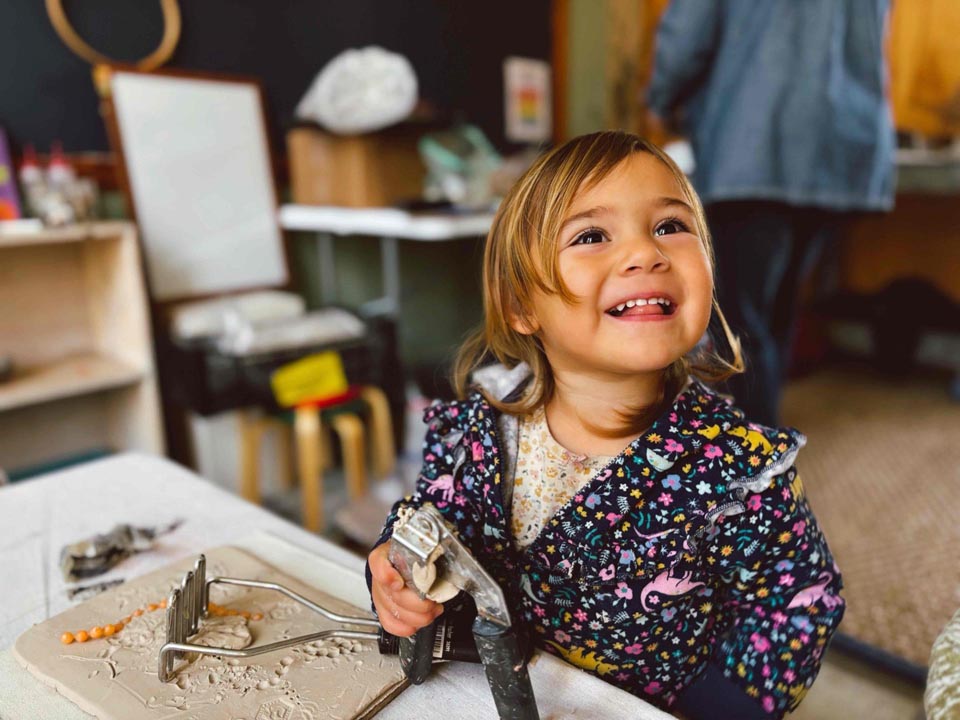
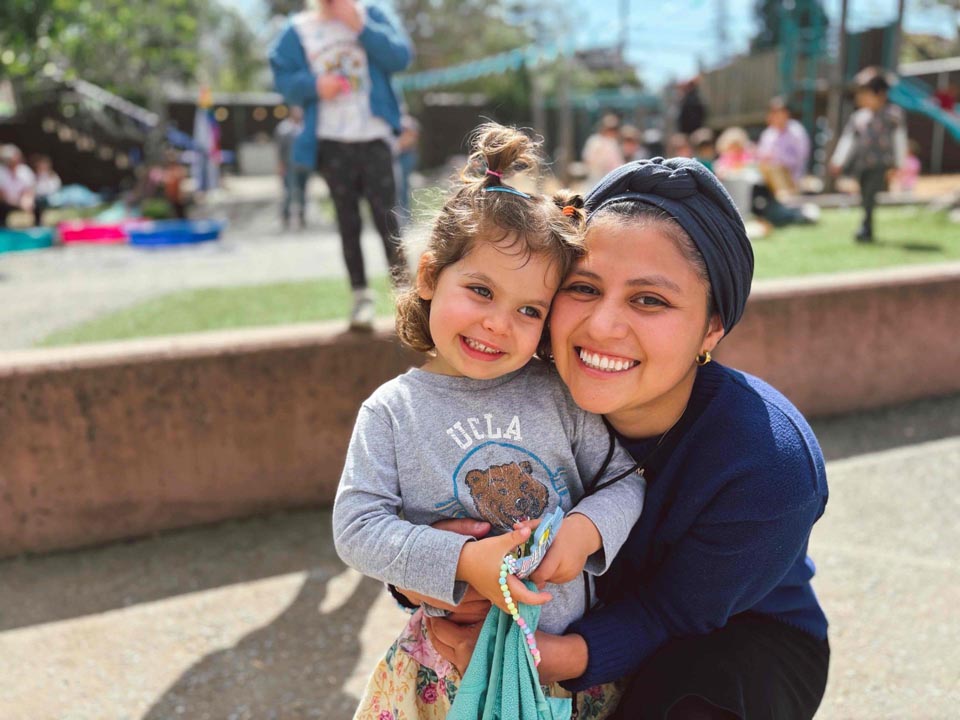
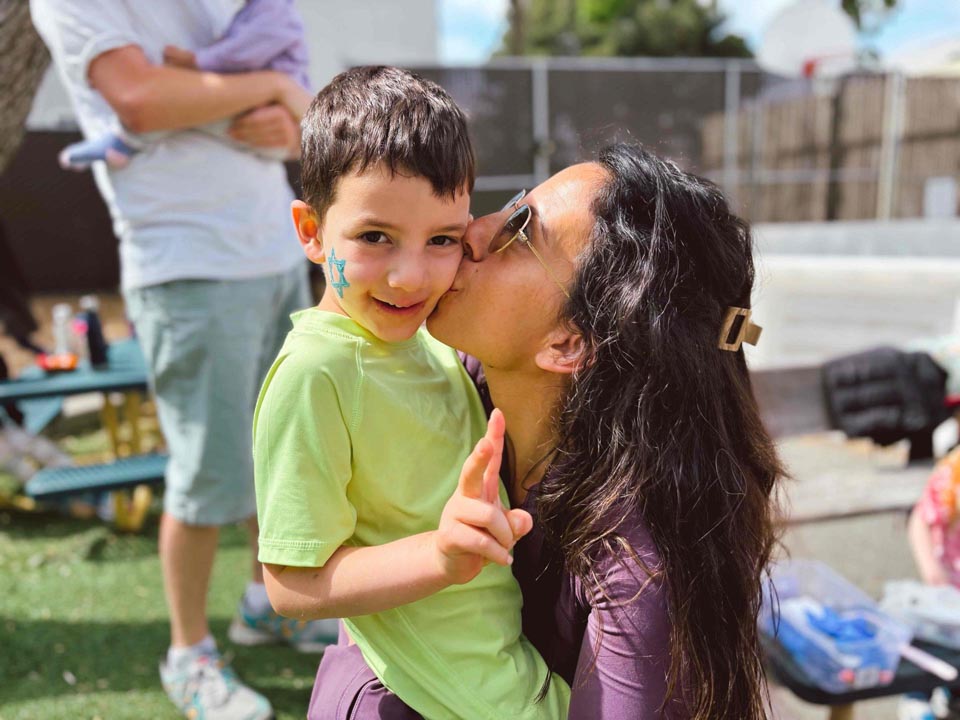
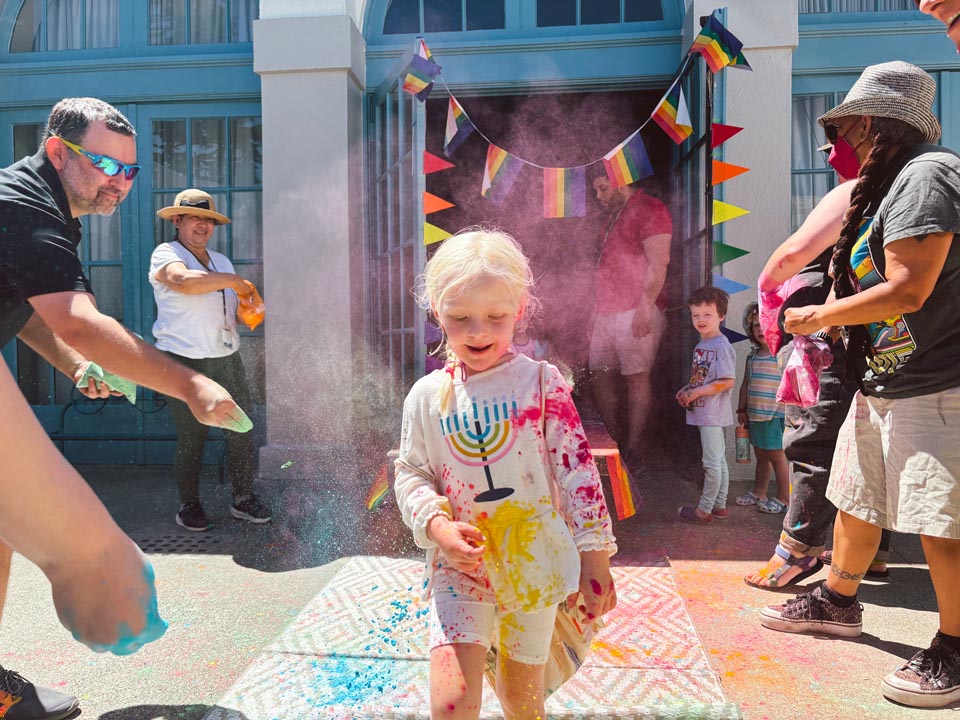
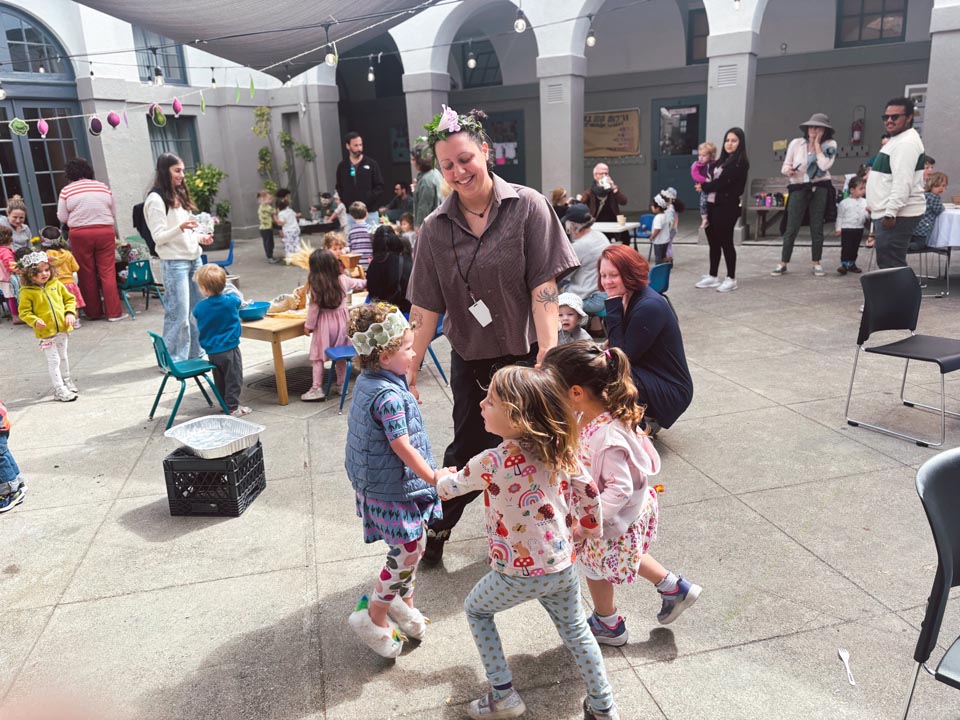
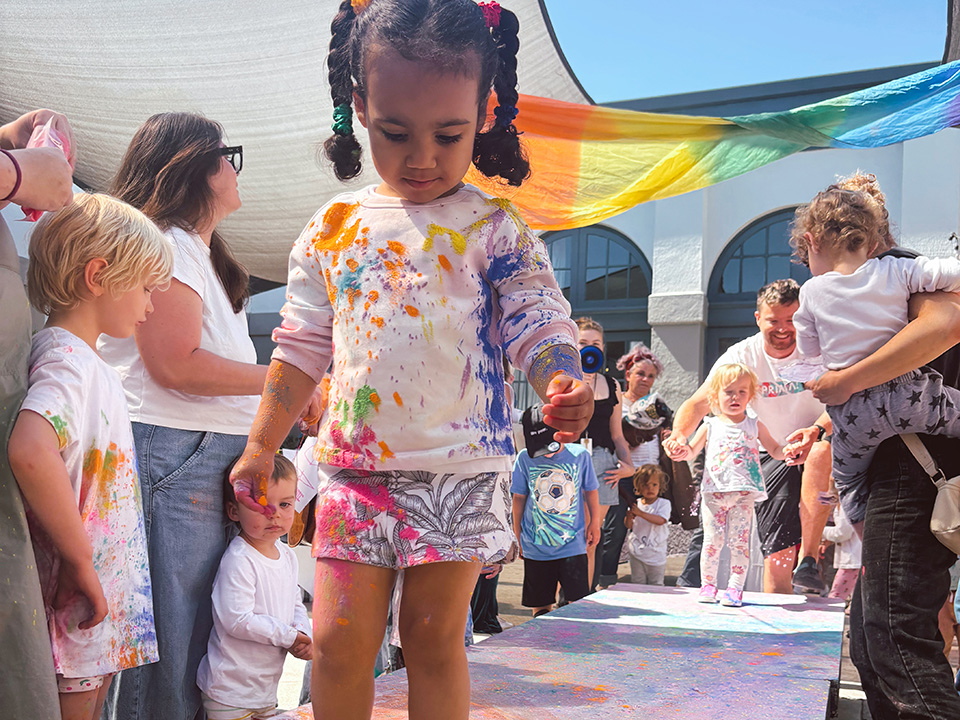
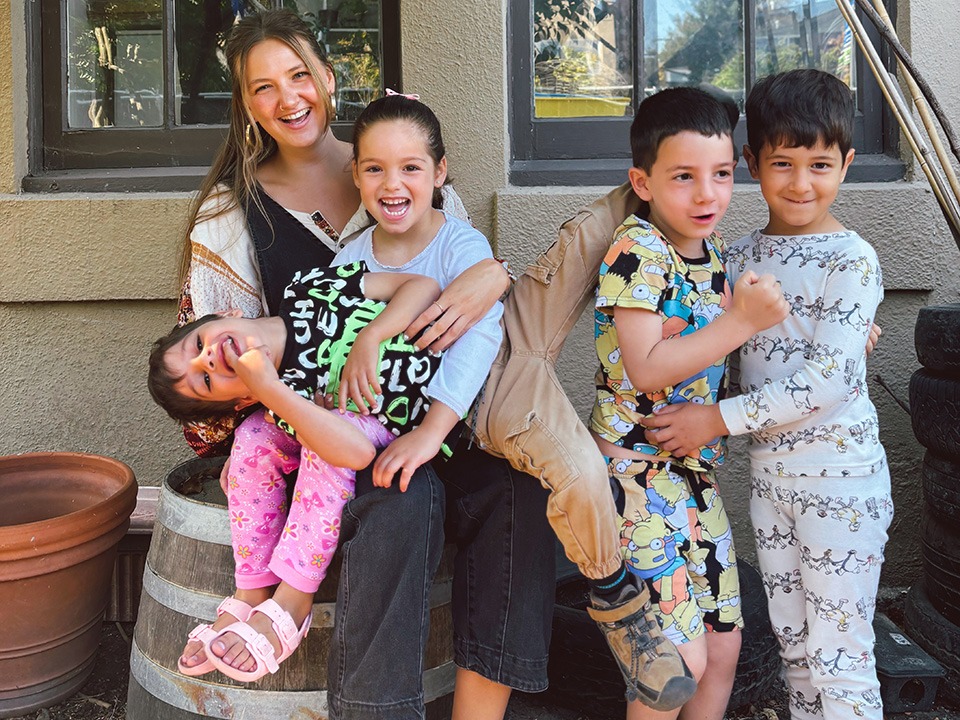
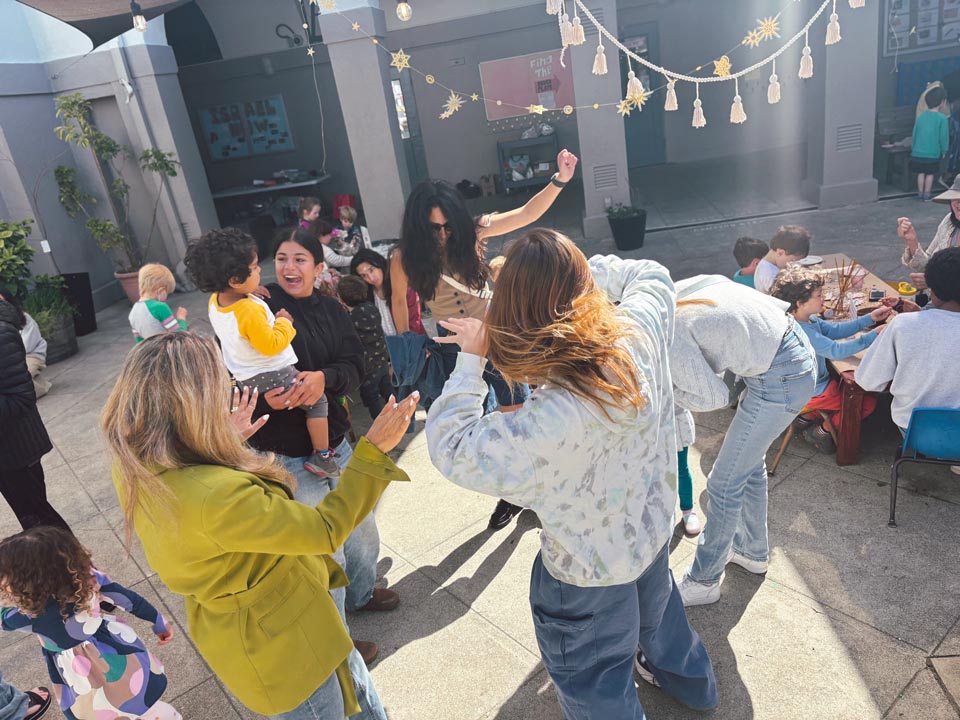
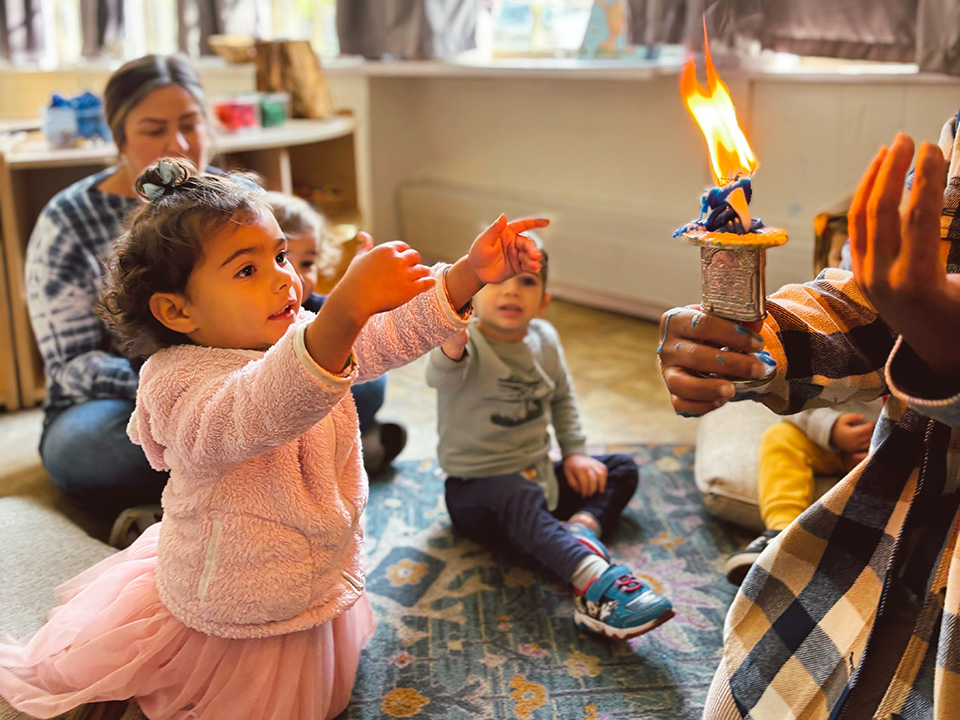
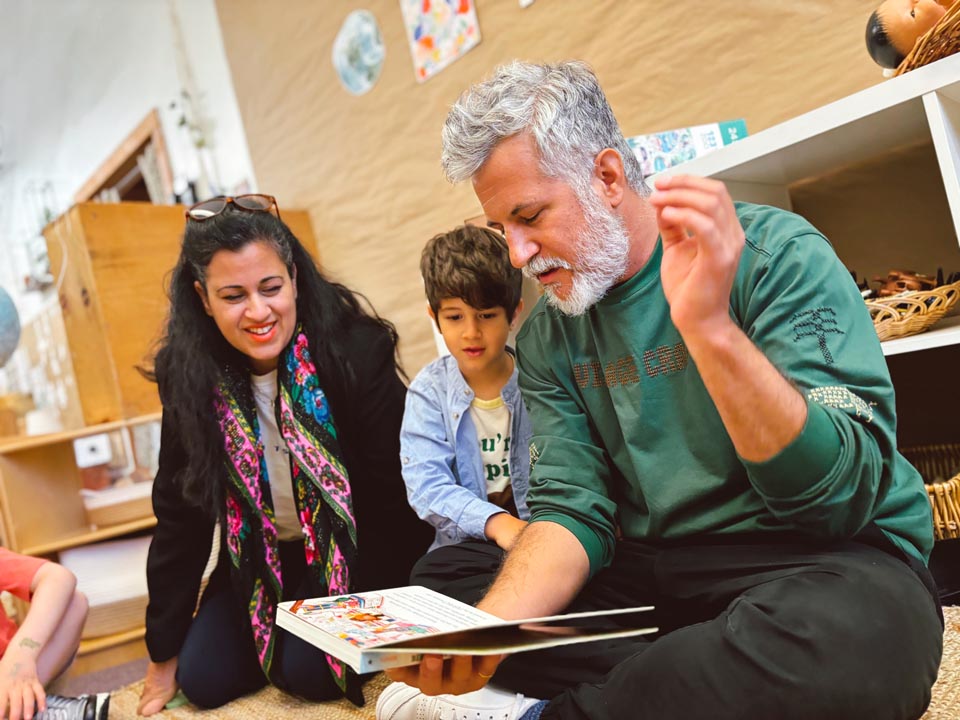


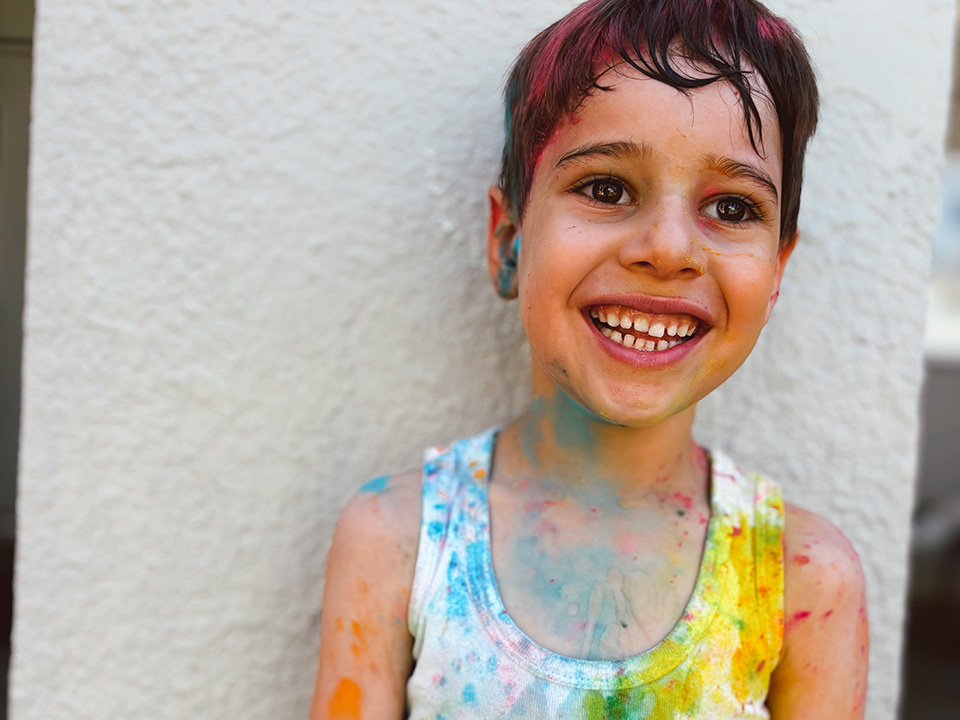
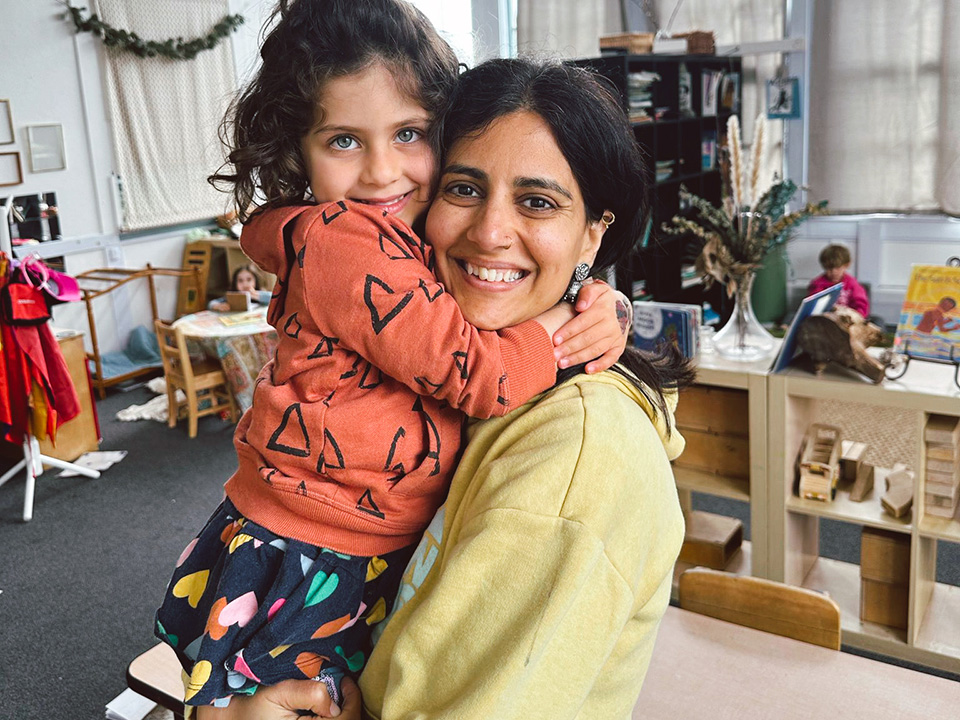
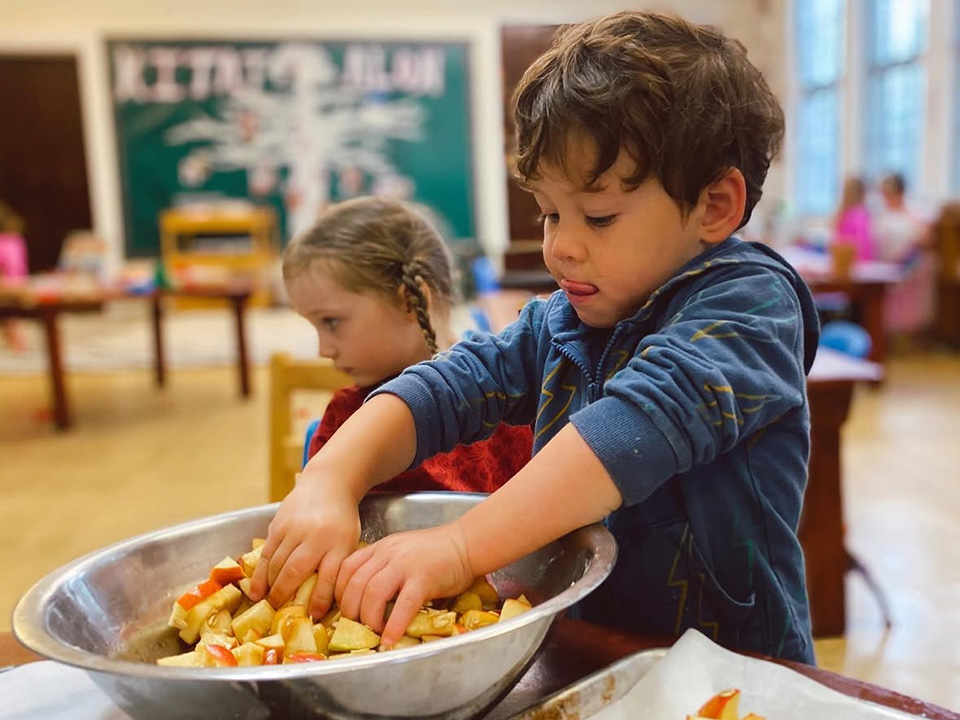




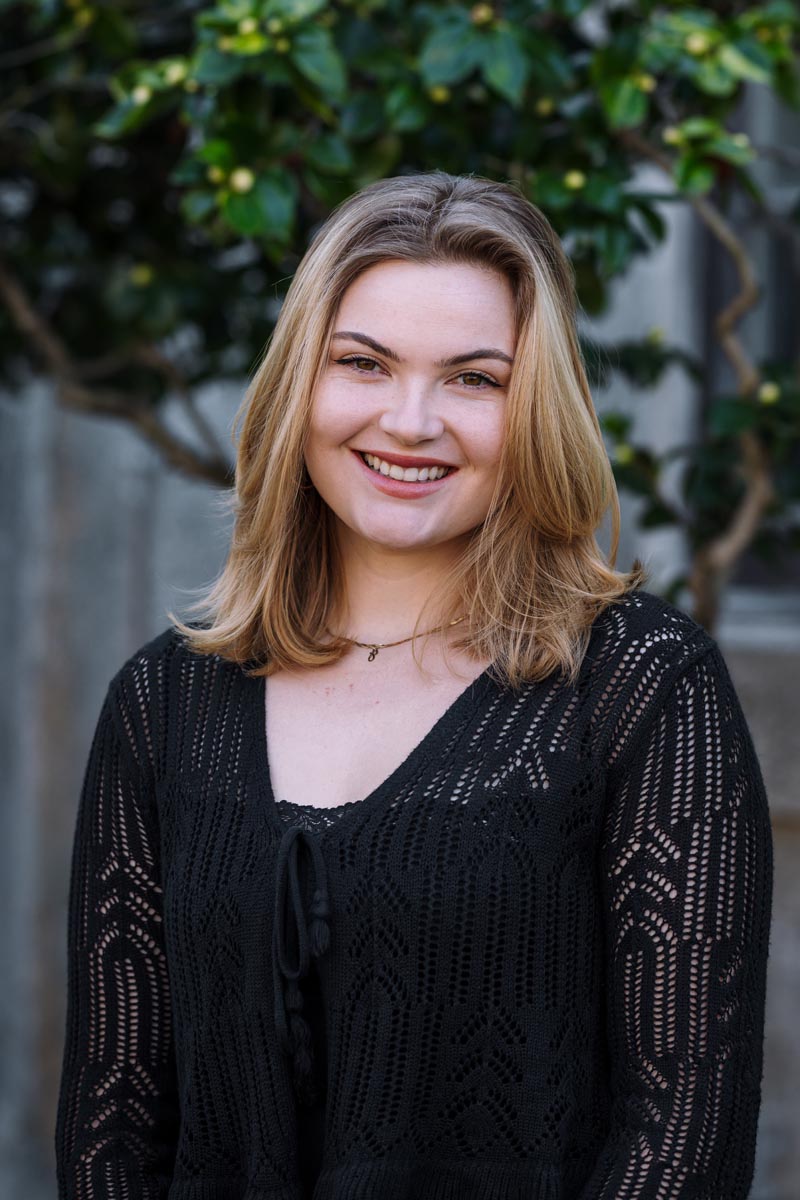
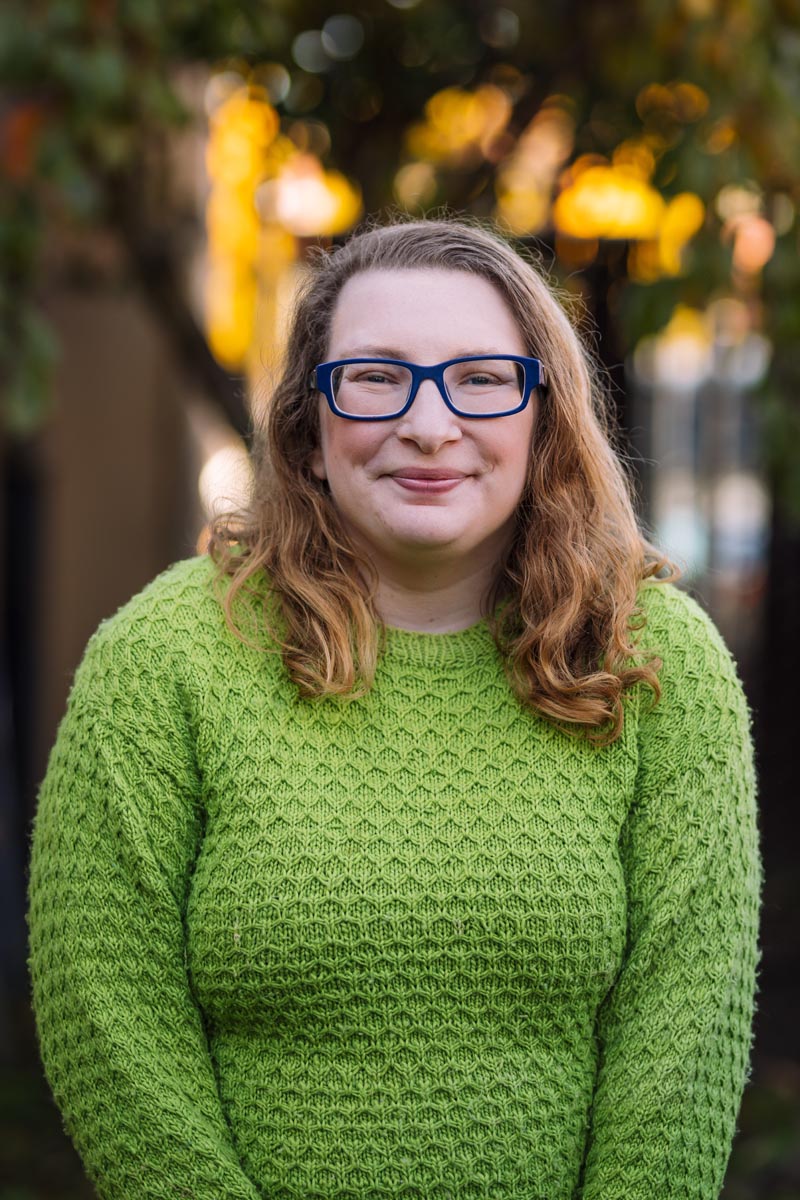


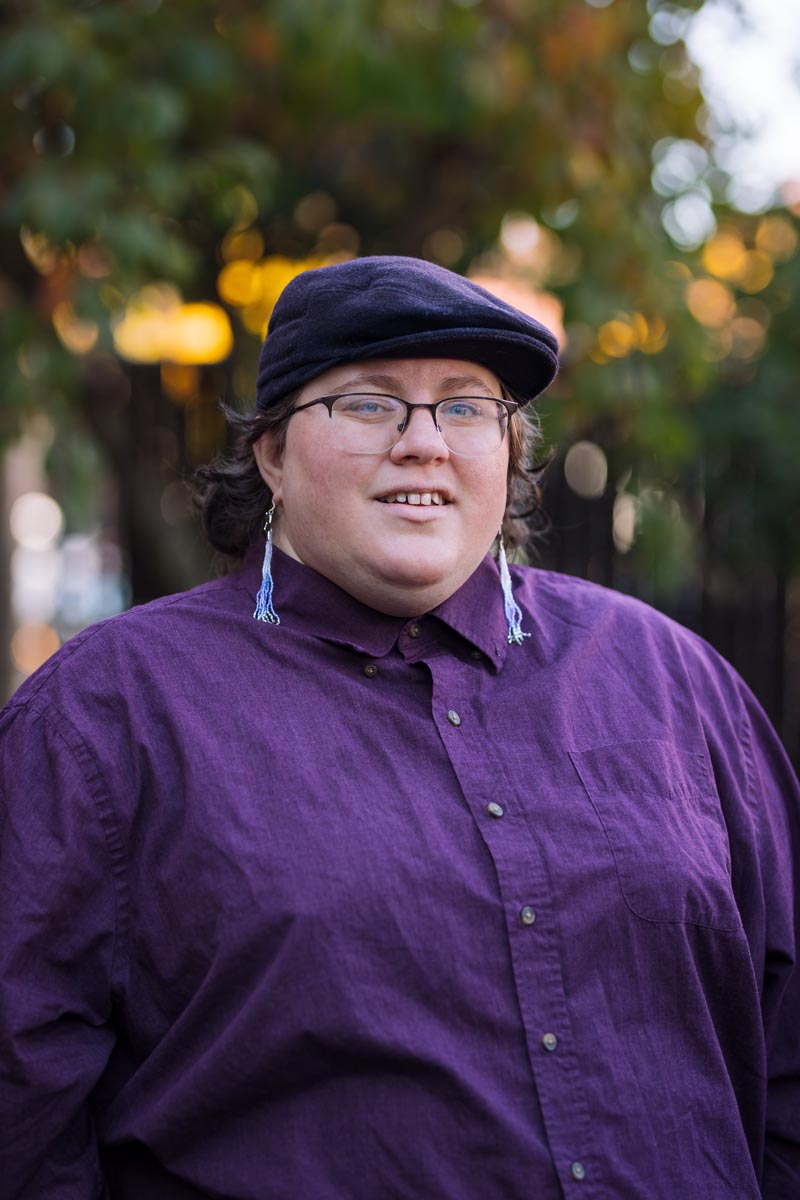


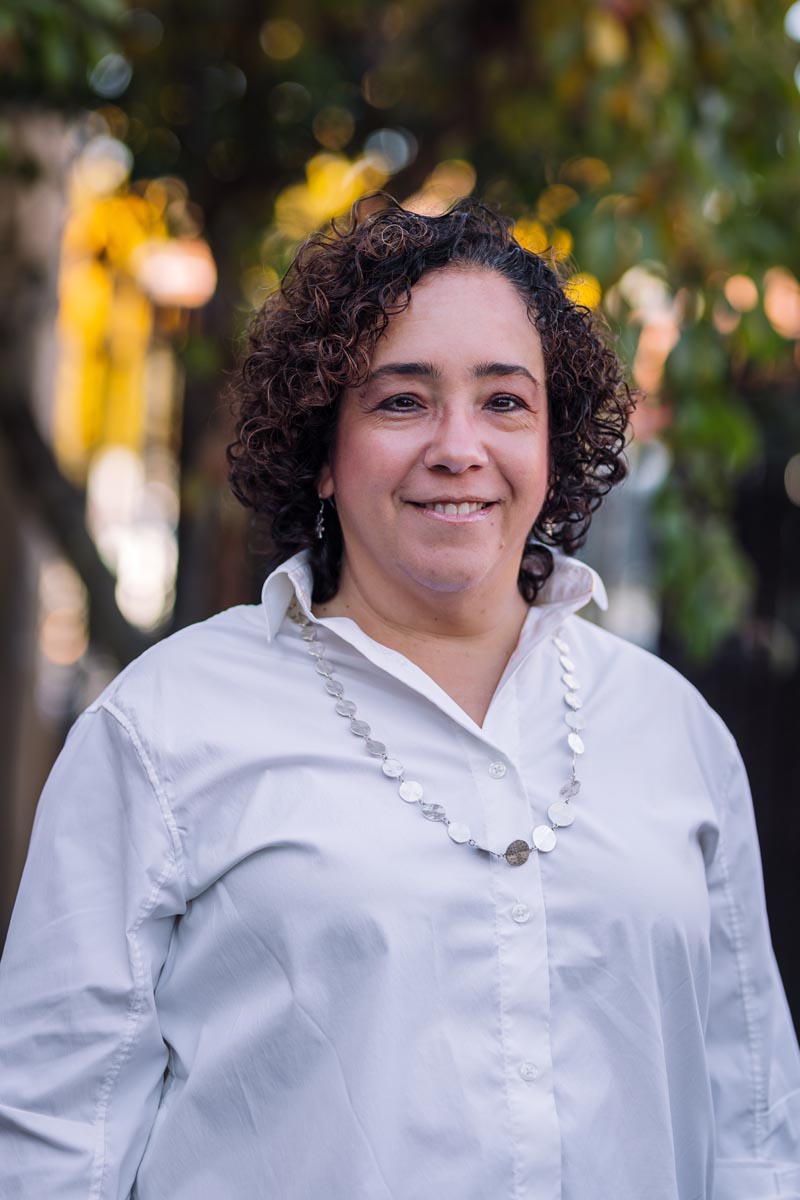

 Our infant classroom, Kitat Kohavim (stars), is thoughtfully designed for children ages 6 months and older. This is our newest addition to the early childhood center, created in response to the needs of our growing community. We understand that the first place you entrust with your child should feel like a gentle transition from home, and the JCC is committed to providing a nurturing and supportive environment for both you and your family. Kitat Kohavim maintains a strong connection to home life through frequent daily updates and photos, regular walks and outdoor time, and a safe, comforting space for rest. We strive to be the next best thing to being with you, and we opened this program with the confidence that we can provide just that.
 The Yareach classroom serves young toddlers at JCC East Bay. Welcoming children, beginning at 18 months, Yareach supports our little learners as they begin to explore the changing world around them. This classroom celebrates important developmental milestones, encouraging curiosity and discovery in a safe, nurturing environment. Our team of educators create a balanced day of open exploration and structured learning to support children in developing their social-emotional skills and ease into school life in an environment rich with Jewish culture and values.
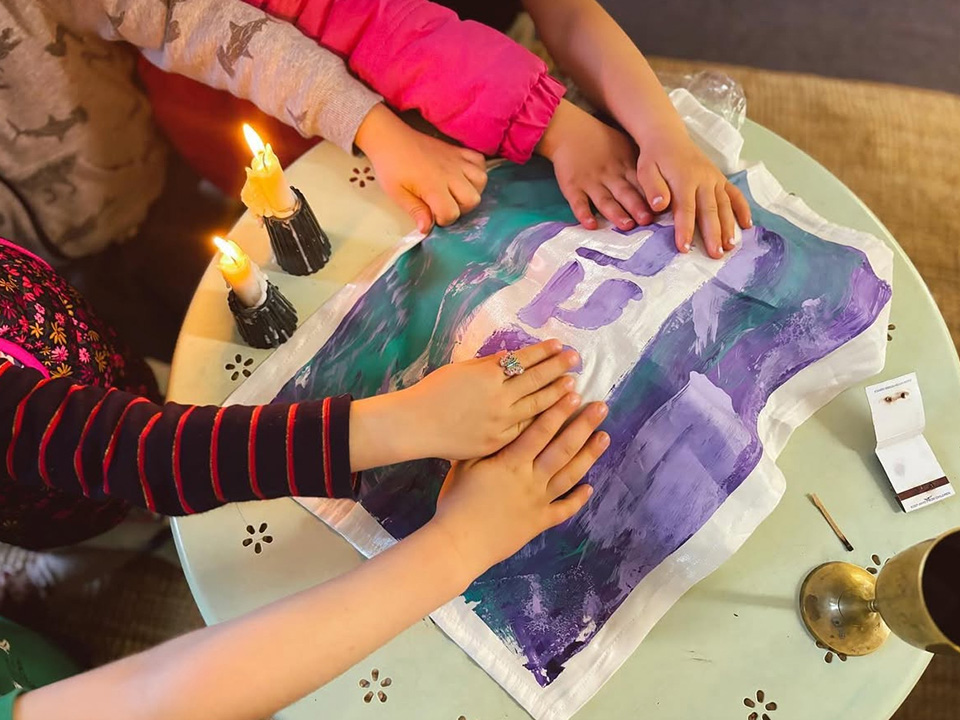
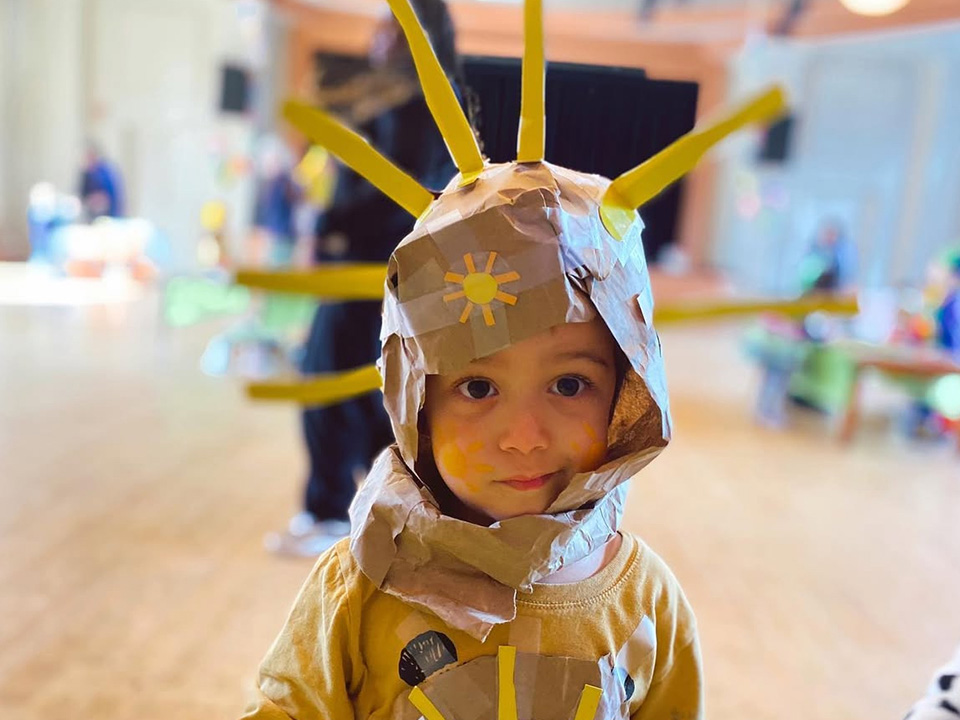
 The Shemesh (sun) classroom supports toddlers as they first enter the preschool world. For many children, this classroom is where Jewish time and ritual become trackable. The excitement for Shabbat grows, and the interest as to when Friday will come heightens. Children in this classroom are at the beginning stages of independent play that starts to include others, and teachers support them with modeling important strategies for prosocial behavior. In addition to this, the Shemesh classroom is where independence skills flourish, often centered on self-soothing practices, self-care skills, and how to advocate for yourself in a group setting.
 When children turn three, they often begin to develop the first of their meaningful lifelong friendships. The Shamayim (sky) classroom gives children the opportunity to explore these connections in tandem with their conflict-resolution skills. Teachers in this classroom have a greater focus on assisting children in this social emotional growth during this crucial year, and they can often be seen supporting children as they learn to advocate for themselves and others. Children in this classroom are also encouraged to begin holding Jewish practice in their classroom, often leading Shabbat for their classroom, or picking-up our local challah for noshing.
 Studies show that children at the age of 3 are in their most successful year of language development and learning. Our Hebrew language classroom, Kitat Yam, is modeled off of dual language learning schools in Israel known as Yad B’Yad, who maintain one teacher for each language in the classroom. Kitat Yam will have two teachers who each speak Hebrew and English, but who each represent one language for the classroom environment. This model allows children coming from Israel to feel supported while learning English, while also supporting children who might be new to Hebrew acquisition. Kitat Yam is designed as a dip into the pool of Hebrew language, and it is not exclusively an immersion classroom. Our hope is to ease children into language acquisition without overwhelm or frustration.
 Adamah means “earth” or “soil” in Hebrew, and the Adamah classroom represents the rich foundation that supports students as they complete this important bridge year between preschool and their transition into elementary school.
This classroom was intentionally designed to nurture Jewish identity and a sense of belonging, to keep Transitional Kindergarten (TK) rooted in early childhood practice, and to thoughtfully integrate a play-based philosophy with a more structured academic curriculum. Kitat Adamah offers meaningful learning experiences that support students in reaching academic milestones beyond those of a typical early childhood setting, thoughtfully adapted from the California Common Core.
Grounded in the Reggio Emilia approach, Adamah students explore early literacy, STEM (science, technology, engineering, and math), history and culture, and more through hands-on exploration, play, and inquiry-based learning. For families seeking a TK experience that remains firmly grounded in early childhood values, Kitat Adamah offers a developmentally appropriate and enriching option.